

Simona Bisboaca


APIPHEN at the 1st International Apitherapy Congress in Switzerland
From 25 to 27 September 2026, APIPHEN will be in Biel/Bienne for the 1st International Apitherapy Congress in Switzerland – and you can meet us at Stand 17. The Congress brings together researchers, apitherapists, beekeepers and specialists from different countries for three days dedicated to apitherapy, bee products, science and practical applications. For APIPHEN, this event is particularly close to what we do: exploring bee products through research, food technology and product development, with a strong focus on propolis, honey and clean-label innovation. Meet APIPHEN in Biel/Bienne 🇨🇭 📅 25–27 September 2026📍 Palais des Congrès, Biel/Bienne, Switzerland🐝 APIPHEN – Stand...
Simona Bisboaca


Rethinking Your Morning Ritual: Why Tea Is Becoming the Smartest Coffee Alternative in 2026
There's a smarter way to start the day — and bees figured it out long before we did.
[Read more →]
Simona Bisboaca

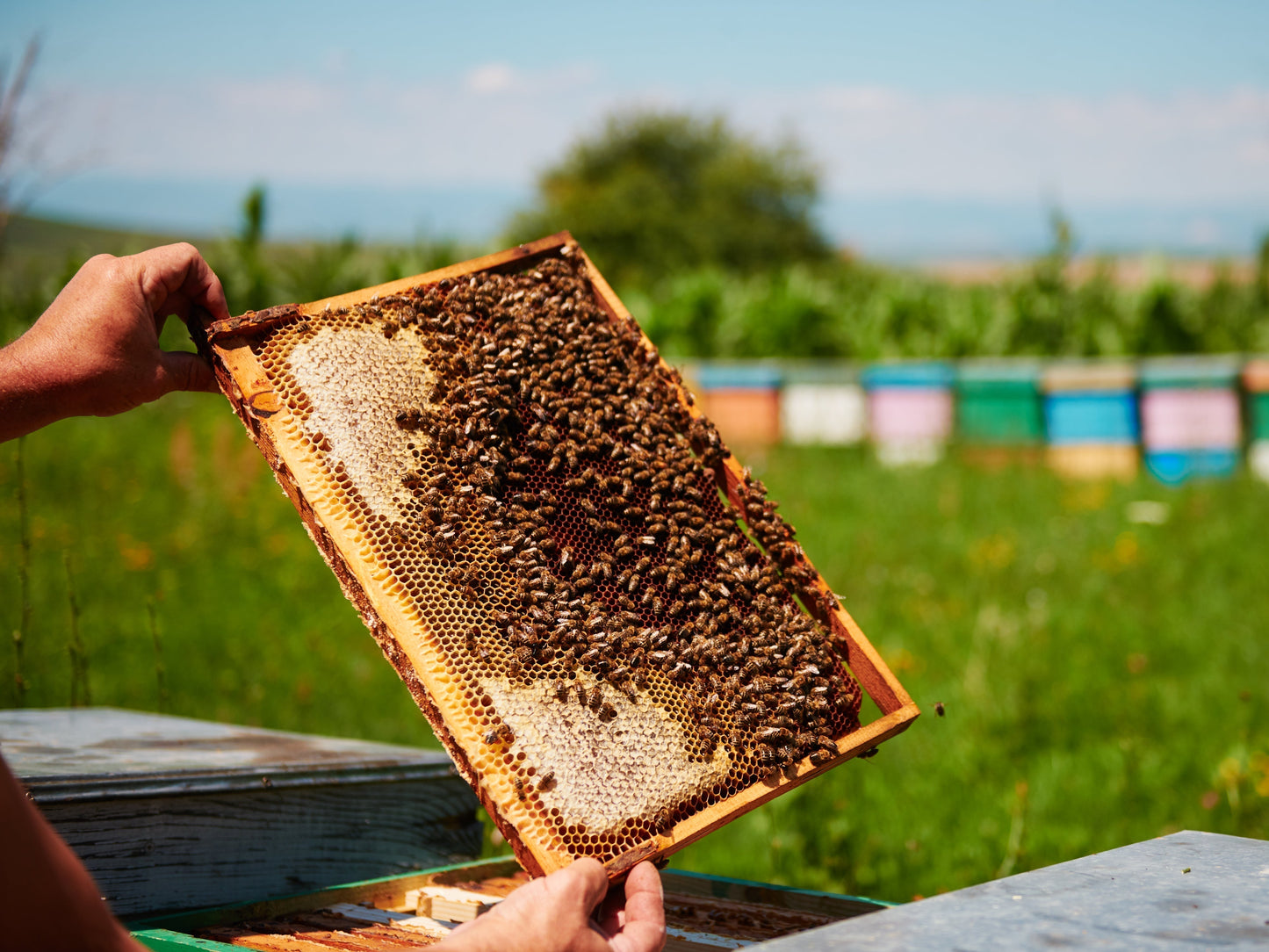
Why honey is the most sustainable sweetener?
Historical and archaeological evidence confirms that honey was mankind's first natural sweetener, long before the development of sugar extraction from sugar cane or sugar beet and centuries before artificial sweeteners were invented.Unlike industrial sweeteners such as sugar, stevia, erythritol, xylitol, maltitol, sucralose, agave syrup and aspartame, honey is unique - it is the only sweetener produced by nature, without human processing. At APIPHEN, we believe that every choice we humans make has an impact - not just on our health, but also on the environment. That's why we choose Honey as a natural sweetener in our products. Honey, pollen, propolis, royal jelly...
Simona Bisboaca

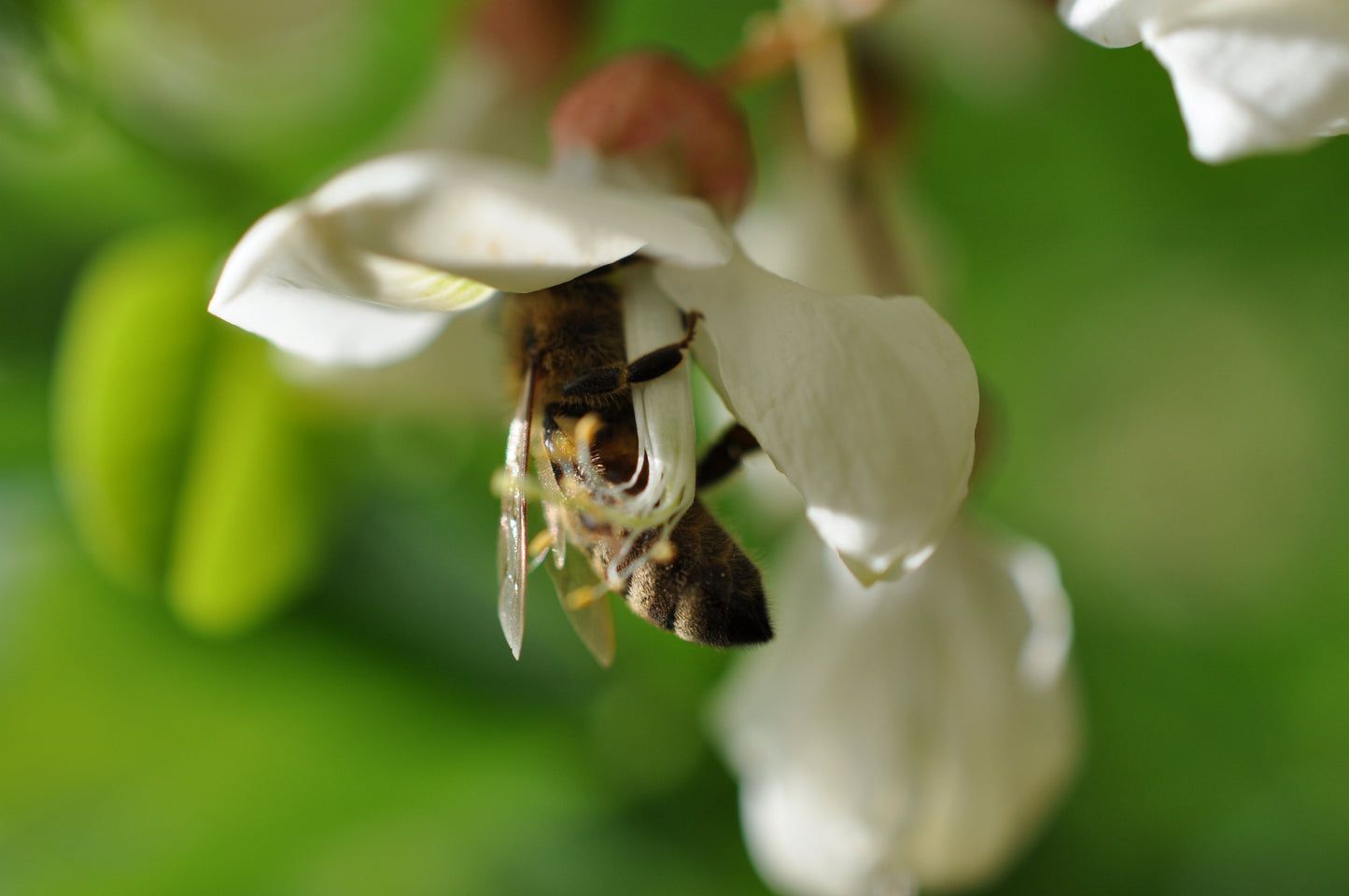
Why do bees need beekeepers to survive today?
🐝Without beekeepers, it would be much harder for bees to survive in today's conditions. Although wild bees existed long before man began beekeeping, nowadays they face many threats that make their lives extremely difficult without beekeepers. ☠️ What threatens bees : Pesticides and Chemicals ⚠️ Intensive agriculture uses pesticides and herbicides that affect bees, either by direct poisoning or by destroying their food sources. Beekeepers can protect beehives from exposure to these substances and help move bees to safer areas. Parasites and diseases 🪱🪲 Bees are affected by parasites such as Varroa destructor, which attacks and weakens bee families. Without...
Recent articles